

World Health Day: VELA Medical Calls for Staff Health to Be Treated as a Healthcare System Issue
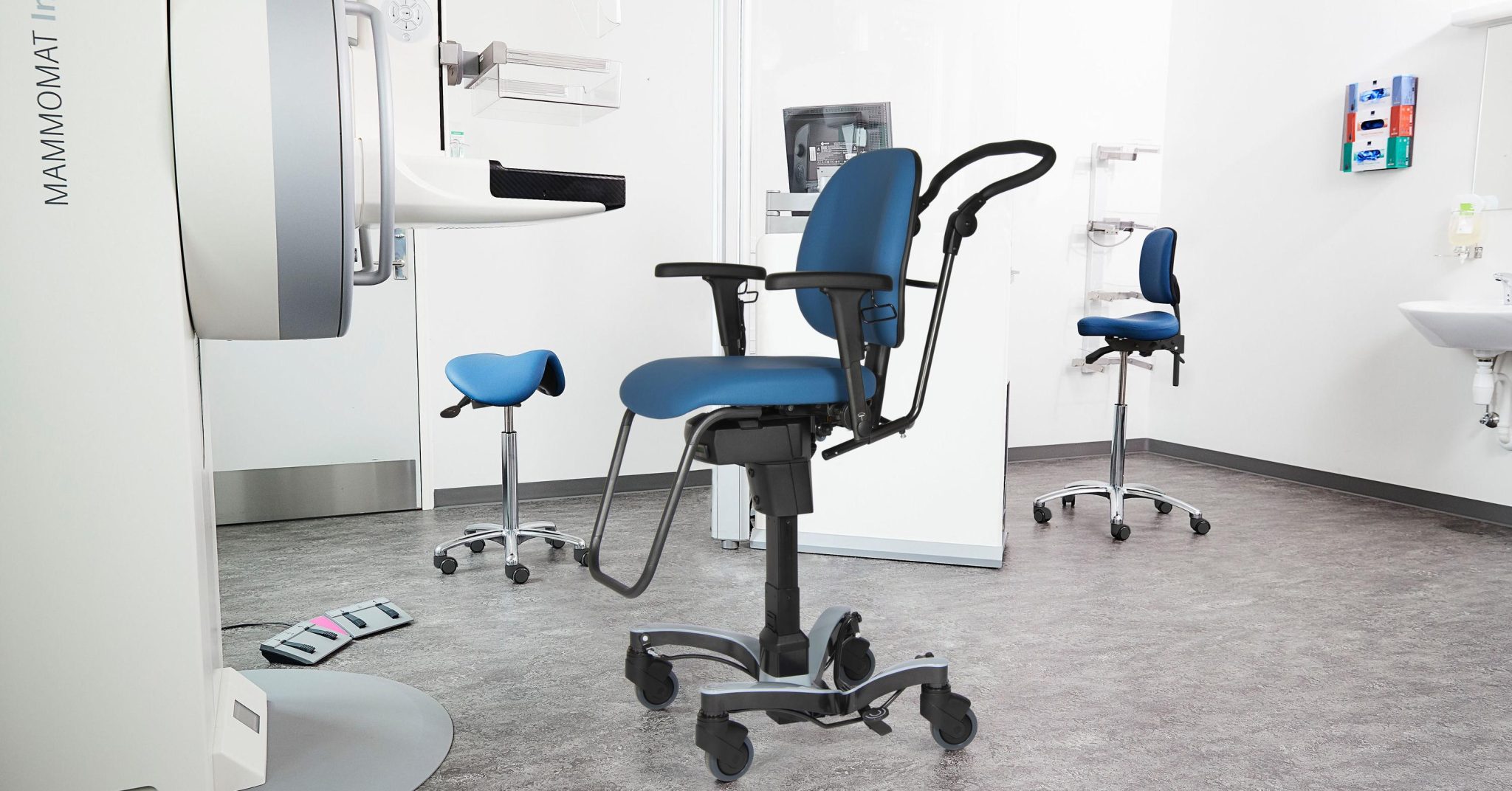
VELA Medical chairs for hospitals and clinics

VELA Mammography Chair for optimal positioning
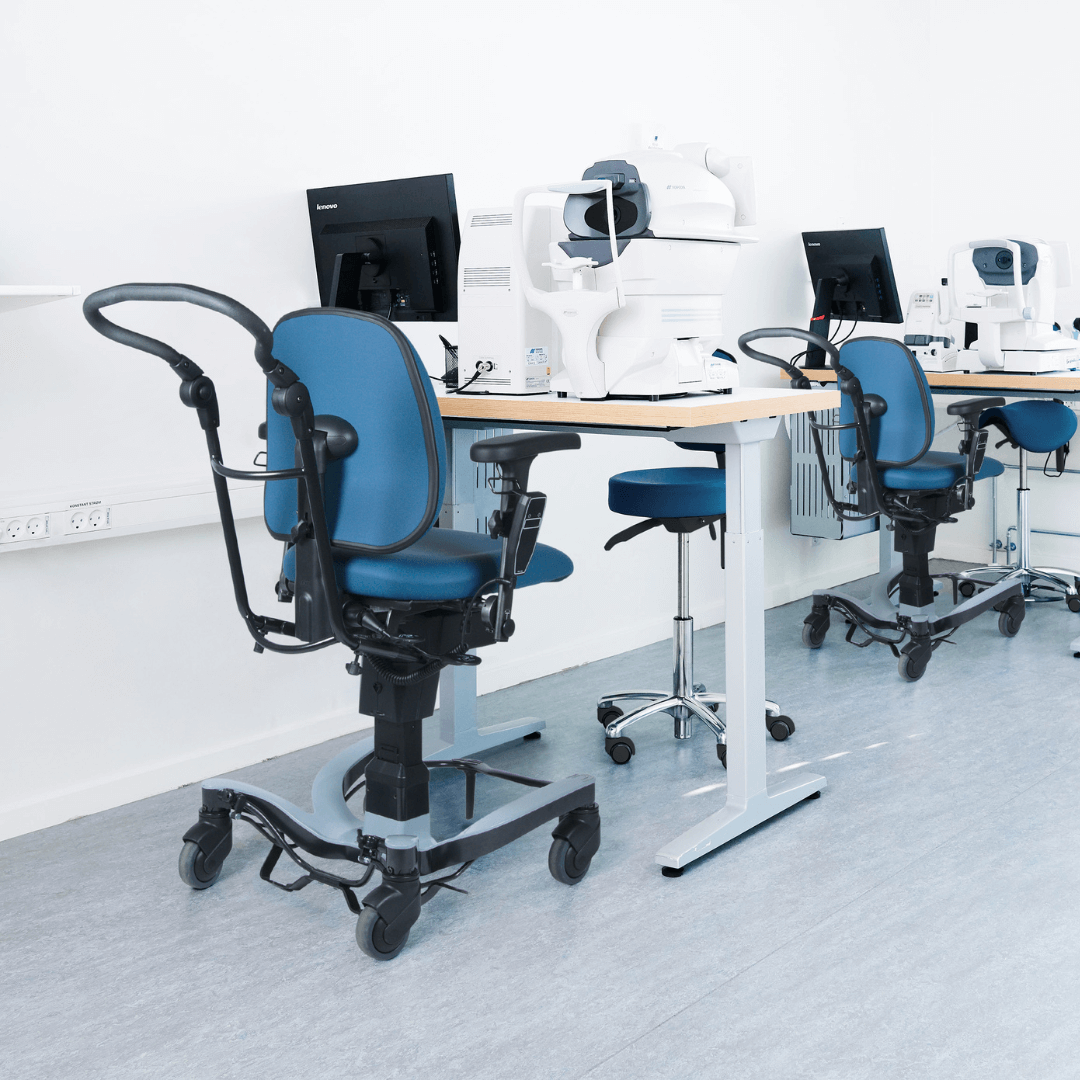
Work safely and comfortably with VELA Medical’s adjustable ophthalmology chairs.
VELA Medical urges healthcare systems to treat staff health as a system issue, citing ergonomics’ impact on well-being and care quality.
TAMPA, FL, UNITED STATES, April 8, 2026 /EINPresswire.com/ -- In support of World Health Day on April 7, VELA Medical is calling for staff health to be treated as a healthcare system issue rather than an individual burden, citing research showing high rates of musculoskeletal disorders among healthcare professionals. A 2025 European systematic review and meta-analysis found that 87.8% of nurses reported a work-related musculoskeletal disorder in at least one body area, with neck symptoms affecting 49.9% and shoulder symptoms 39.3%.VELA Medical said the findings reflect a broader issue across clinical settings, where static positions, non-neutral postures and repetitive tasks contribute to strain in the neck, shoulders, back and upper body.
According to the review published in Healthcare, work-related musculoskeletal disorders among nurses are associated with factors including awkward postures, repeated movements, long working hours, patient handling and low job control.
European Agency for Safety and Health at Work has described musculoskeletal disorders as the most widespread occupational health issue in the health and social care sector, linking them to absenteeism, reduced productivity and increased costs. The World Health Organization has also said musculoskeletal conditions can reduce well-being and contribute to early retirement from work.
Thea Johansen, PT and technoanthropologist at VELA Medical said one of the most overlooked factors in preventing musculoskeletal conditions is whether a clinic uses ergonomically adaptive equipment. In many care settings, limited adjustability means clinicians must lean, twist, reach or raise their arms to position and support patients during routine procedures.
“When equipment does not adapt to the clinician, the clinician adapts to the equipment,” said Thea Johansen, PT and technoanthropologist at VELA Medical. “When the patient can be positioned to fit the clinician and the equipment, the need for physical compensation is reduced.”
Adjustable patient chairs can help address that challenge by supporting more neutral working postures and better positioning during examinations and procedures. Rather than requiring the clinician to adapt physically to the patient, the setup allows the patient to be positioned in relation to both the clinician and the equipment.
Research published in Journal of Visual Communication in Medicine shows this is especially relevant in specialties that rely on repetitive motions and sustained postures, including imaging and diagnostic environments.
Research in imaging suggests that ergonomics can affect clinical quality. Literature in Clinical Radiography and Radiography has identified positioning as a key factor in mammographic image quality, while reports in the Journal of the American College of Radiology have noted that poor positioning can lead to repeat exams, added cost and additional radiation exposure.
“Ergonomics should not be viewed as a comfort feature,” said Mike Laky, CEO of VELA Medical USA. “It is an operational issue that affects workforce sustainability, workflow and consistency of care. When clinicians can work in safer, more supported positions, healthcare organizations are better equipped to protect staff and maintain efficient care delivery.”
Healthcare leaders should evaluate whether clinical environments support neutral working positions and efficient movement, or whether staff are forced into physical compensation during routine care.
It is our hope that World Health Day offers an opportunity for hospitals, clinics and healthcare decision-makers to look more closely at how clinical work is performed and how ergonomics may affect both staff's well-being and care delivery.
About VELA Medical
VELA Medical designs and manufactures high-quality medical chairs that combine better exam results and safe patient handling with ergonomic support for healthcare professionals. With a strong focus on ophthalmology, mammography, and radiology specialties, VELA Medical products are developed to improve clinical workflows, increase patient comfort, and reduce strain for staff. By delivering adjustable patient chairs that support safe positioning and efficient patient flow, VELA Medical helps clinics meet the growing demand of patients while mitigating work-related risks for healthcare professionals.
Sources
Clinical Radiography. A review of the literature: Mammography positioning, body habitus and image evaluation systems. https://www.sciencedirect.com/science/article/pii/S2950212825000016
European Agency for Safety and Health at Work. Musculoskeletal health in the health and social care sector. https://osha.europa.eu/en/highlights/musculoskeletal-health-health-and-social-care-sector
Healthcare. Work-Related Musculoskeletal Disorder Prevalence by Body Area Among Nurses in Europe: Systematic Review and Meta-Analysis. https://www.mdpi.com/2411-5142/10/1/66
Journal of the American College of Radiology. The ACR Mammography Positioning Improvement Collaborative. https://www.jacr.org/article/S1546-1440%2824%2900590-8/fulltext
Journal of Visual Communication in Medicine. An exploratory ergonomic evaluation of musculoskeletal risks for ophthalmic photographers who use ophthalmic imaging equipment plus user equipment trials. https://doi.org/10.1080/17453054.2022.2142538
Radiography. Mammographic image quality in relation to positioning of the breast: A review of current literature. https://www.sciencedirect.com/science/article/pii/S1078817417300172
World Health Organization. Musculoskeletal conditions. https://www.who.int/news-room/fact-sheets/detail/musculoskeletal-conditions
Casper Ø. Thomsen
VELA Medical
email us here
Visit us on social media:
Facebook
YouTube
Discover the Benefits of the VELA Mammography Chair at Piedmont Hospital
Legal Disclaimer:
EIN Presswire provides this news content "as is" without warranty of any kind. We do not accept any responsibility or liability for the accuracy, content, images, videos, licenses, completeness, legality, or reliability of the information contained in this article. If you have any complaints or copyright issues related to this article, kindly contact the author above.
